Excavating 50 Years of Visual Memories: What I’m Finding in My Photography Archive

Updated: Sep 11
Looking backwards to see the path forward
I’ve done a bunch of crazy stuff in my lifetime; flown over exploding volcanos, researched archeological wonders in the jungles of South America, and been driven to a fashion shoot in the back of a police car.
Now, I’m opening box after box of archived negatives and prints. Images from when I first got serious about photography at the age of 16; images from my four years at Davidson College in Davidson North Carolina and from my first studio in Charlotte; and images I shot for myself shooting my way through many styles: documentary, street photography, artistic nudes, landscapes, and still-life imagery. Eventually, I discovered that I had a knack for photographing fashion and capturing the essence of human subjects. I shot for clients like Bank of America, Hanes, and Wrangler. Holding these strips of film up to the light felt like discovering artifacts from someone else’s life. Except it is mine.
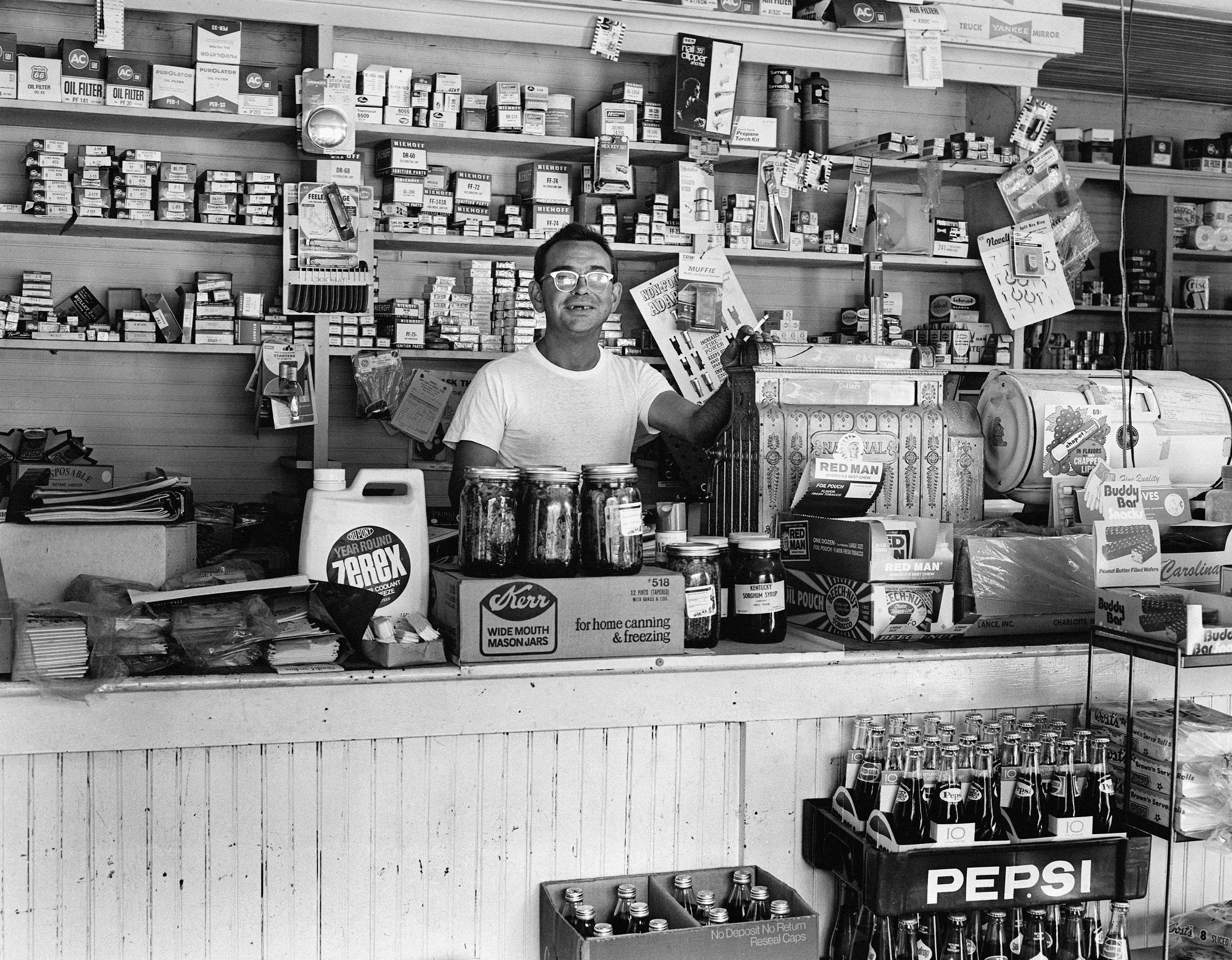
Portrait of a shopkeeper somewhere in the mountains of North Carolina. Circa 1978.
I’m Ron Chapple, and I’ve been a photographer for over five decades. I started in commercial photography in 1979, before transitioning to stock photography in the ‘90s where I became a top seller for FPG International (formerly Freelance Photographers Guild).
I founded and sold a stock photo company named Thinkstock to Jupiterimages, absorbed soon after into a premier brand for Gettyimages, before moving into aerial cinematography where I earned several Emmy Awards and shared in a Pulitzer Prize for Explanatory Journalism with USA Today.
Ten years ago, I transitioned into the geospatial sector using lidar technology and 150-megapixel imagery for clients from electric utilities to National Geographic. My company, GEO1, literally delivered datasets from archaeological research of the Amazon in Colombia, to Khumbu Glacier lidar scans at the base of Mt. Everest in Nepal.
I’ve lived through every major technological shift in our industry — from film to digital; from stock catalogs mailed in boxes to e-commerce and instant downloads; from helicopters where I handheld film cameras to nose-mounted gyro-stabilized 6K resolution cameras; to shooting millions of laser points, building accurate 3D models of hidden treasures under deep jungle canopy.
Three and a half years ago, I exited Aerial Filmworks and GEO1, selling the company to NV5 Geospatial, one of my long time clients.
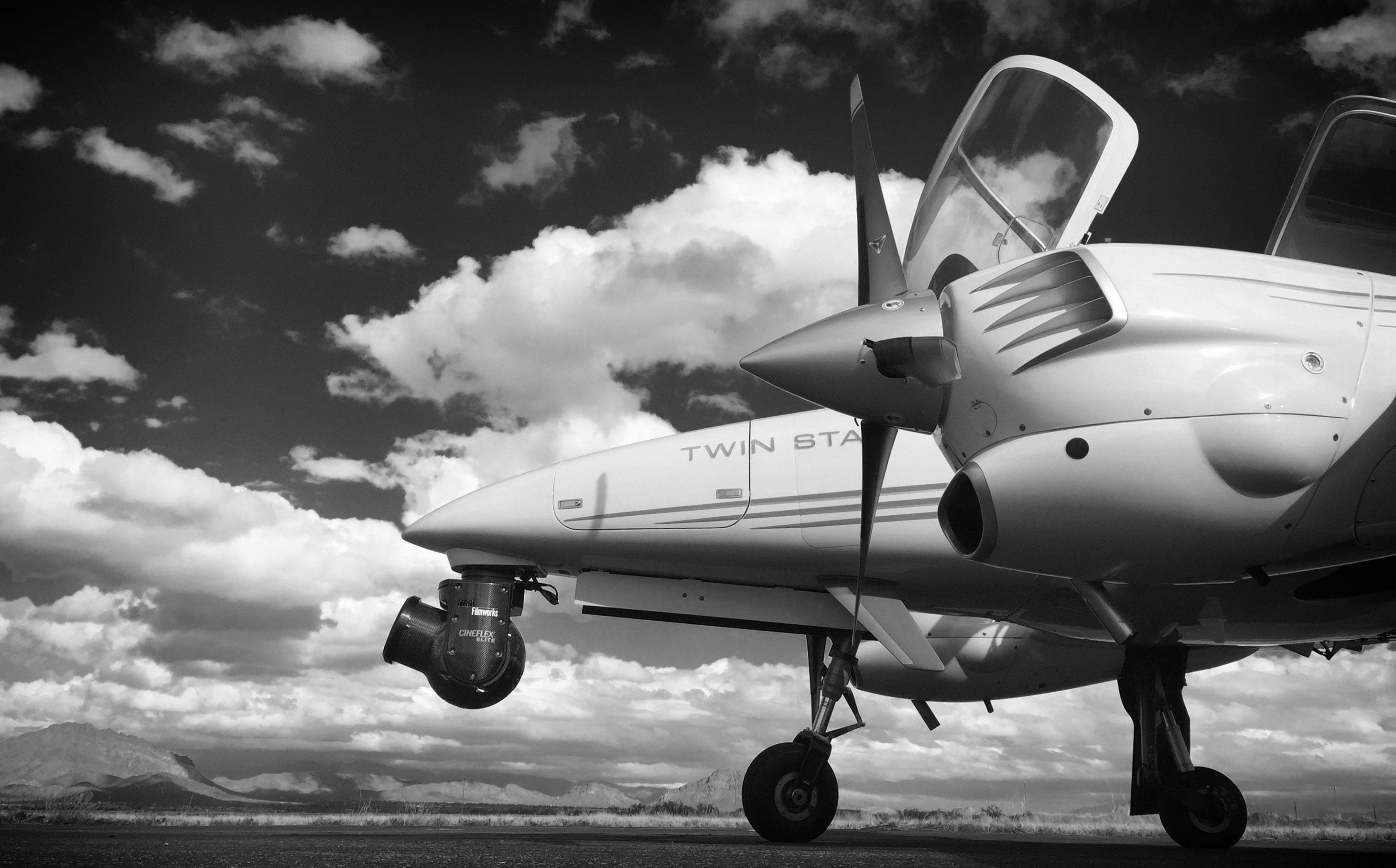
Behind the scenes on a BBC nature documentary. Gyro-stabilized 6k camera on a DA42 twin-engine airplane somewhere in the American West.
Now I’m “retired” and I’m doing something I’ve put off for years: scanning and digitizing 50 years of stored negatives and prints. It’s like an archaeological dig through layers of my own history and through emotional and intellectual challenges, peeling away the proverbial onion one layer at a time.
For my entire life, I’ve always put one foot in front of the other, figuring out what’s next. Now, it’s time to look in the rear view mirror, to discover my past in shaping the future.
What I’m Finding
The process has been revelatory. I’m discovering so many different versions of myself, yet seeing common threads emerge.
My earliest work: family, family holidays, and landscapes. I wanted to be the next Ansel Adams creating epic black & white scenics. Then... one shoot would create a new direction — photographing a model at a rundown house buried in a New Jersey forest, my first fashion shoot.
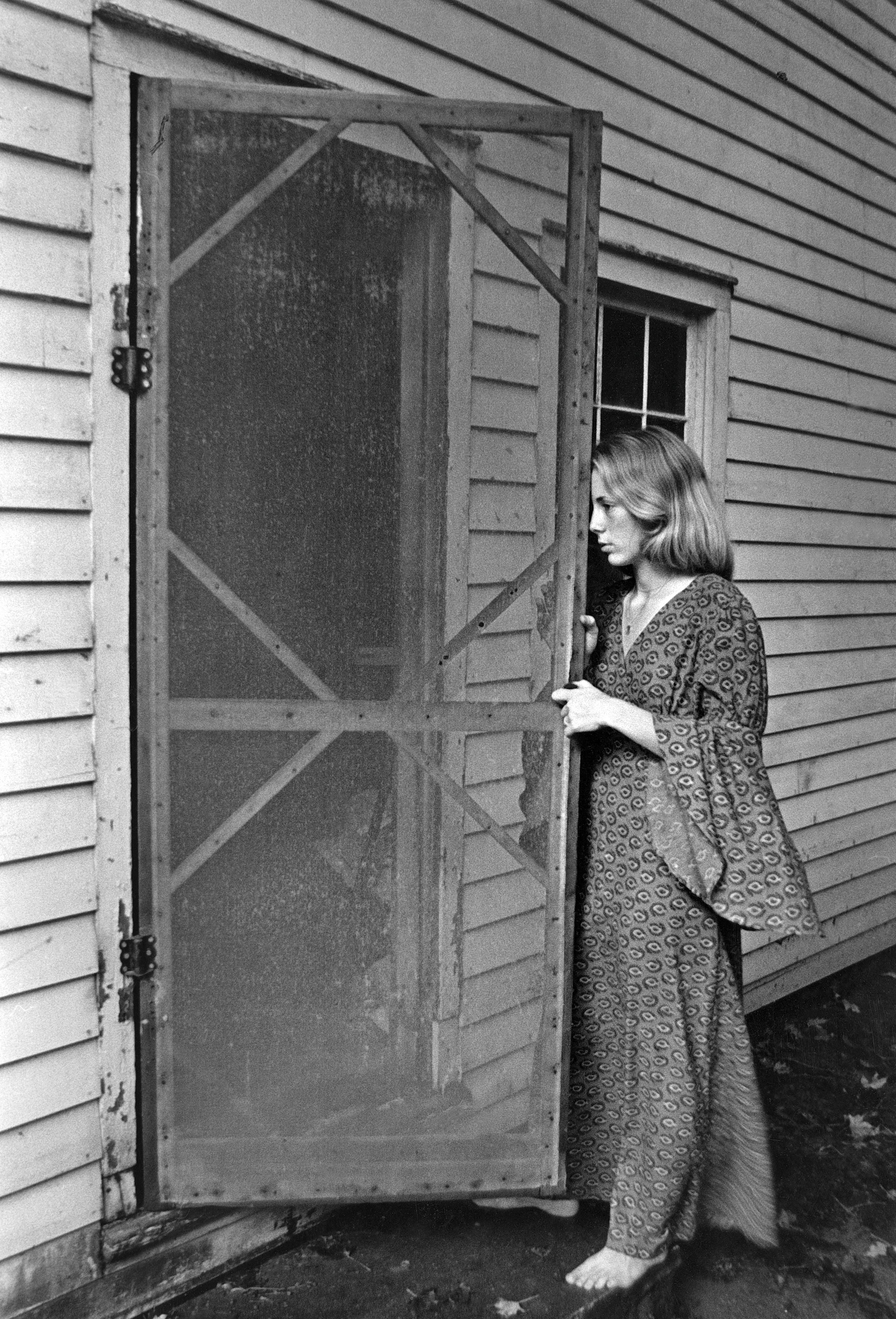
Image from my first fashion shoot in October 1974 at an abandoned house in a New Jersey forest. I was 17 years old.
From the 1980s, I’m finding my early commercial work — corporate portraits, industrial photography, and lifestyle shots for regional brands. The lighting was careful, controlled, professional. I was building a business, establishing credibility, learning my craft. These images are formal, composed, and reasonably competent.
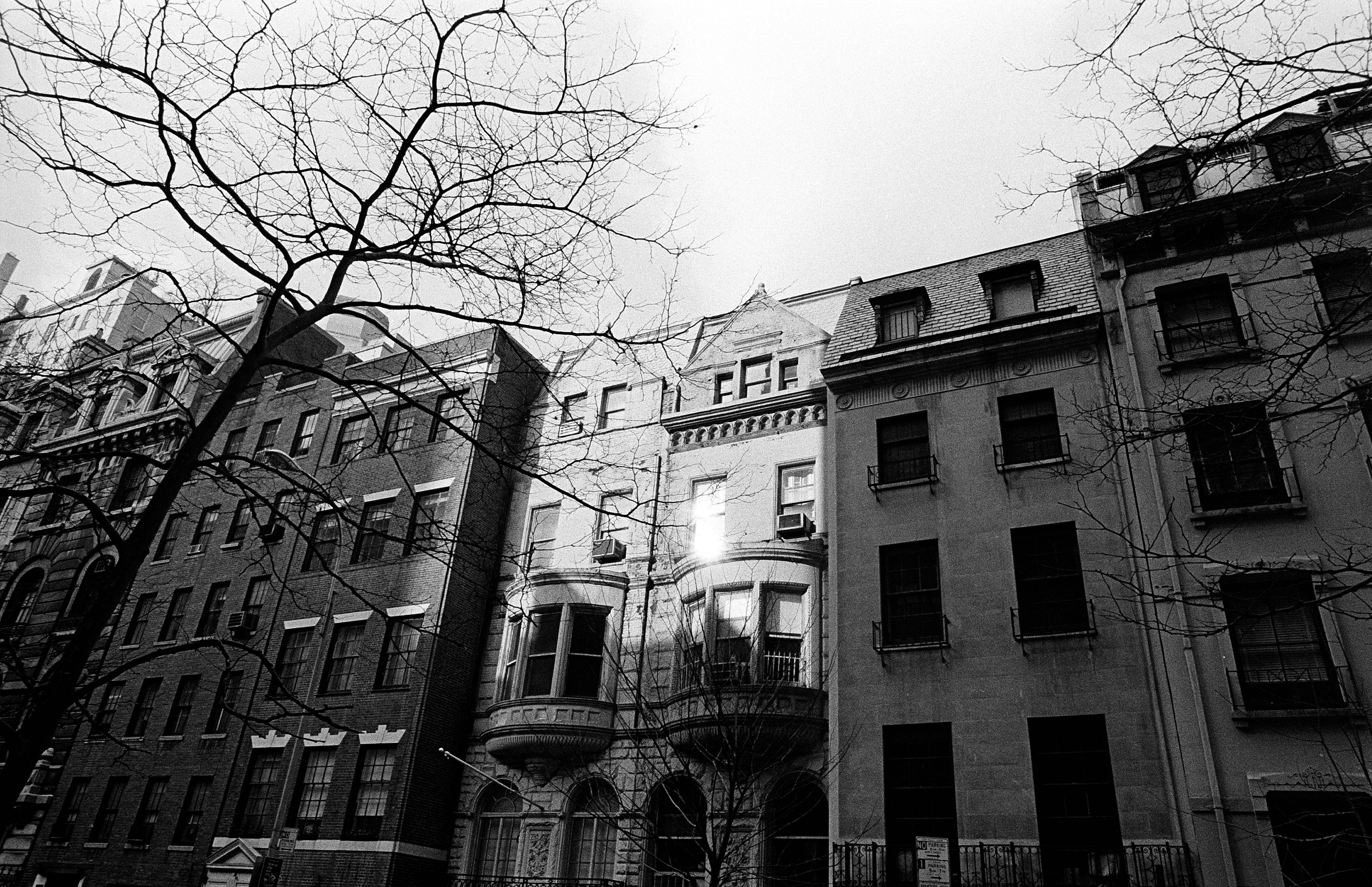
New York City. As I look through my urban landscape images, I noticed that I always placed nature between the camera and the manmade structures. Circa 1974.
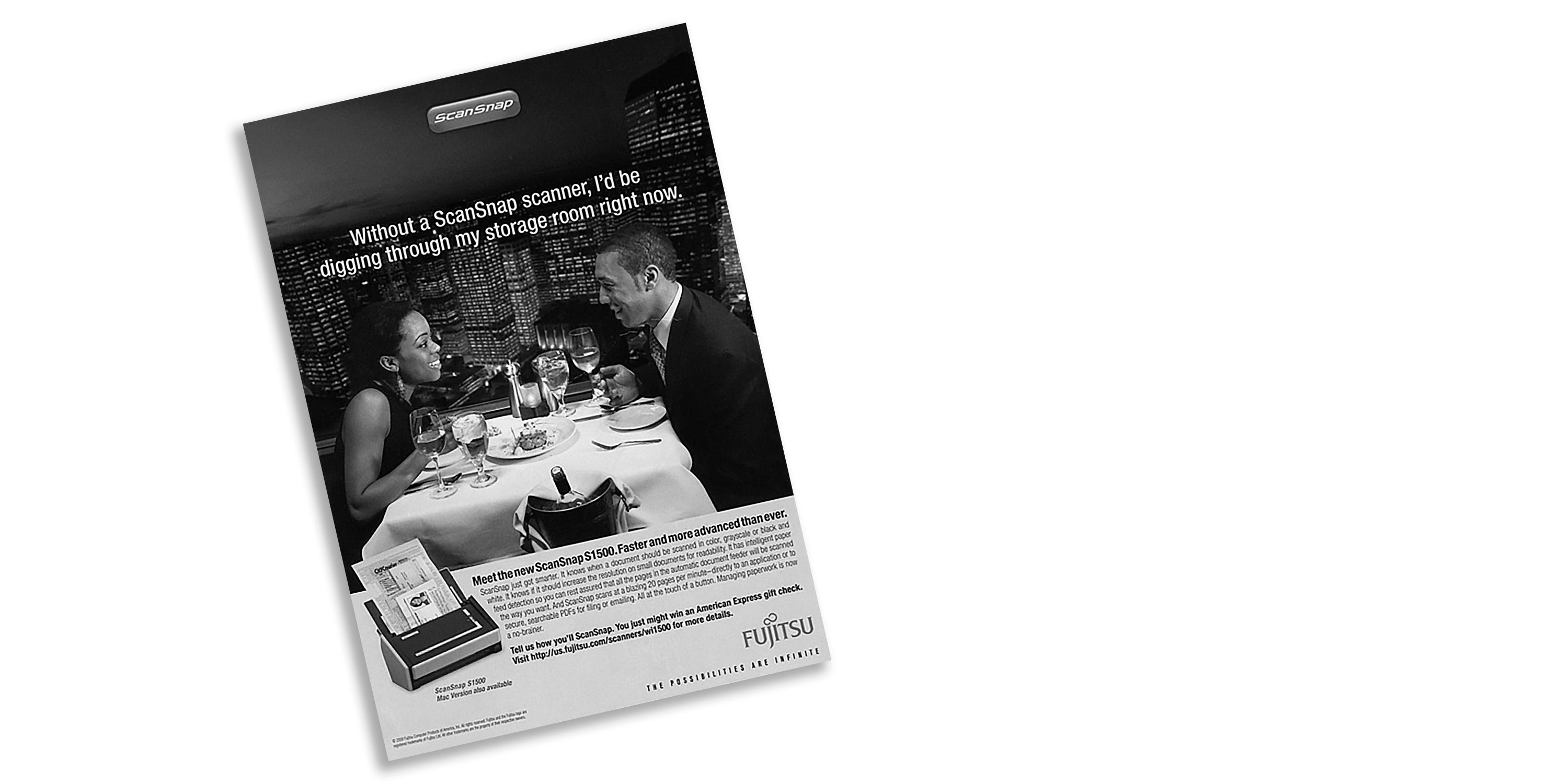
My lifestyle photography for Fujitsu in Wired magazine from my commercial/advertising and stock photography days. Late 1980s - early 1990s.
By the late ‘80s and ‘90s, something shifted. Art directors were buying more and more stock images. I transitioned to stock photography, pioneering imagery that the market didn’t know it needed yet — multi-ethnic children, diverse marketplaces, authentic moments that reflected a changing America. These images feel more alive, more spontaneous. I willfully took creative risks, trusting my instincts about what content would resonate with the customer.
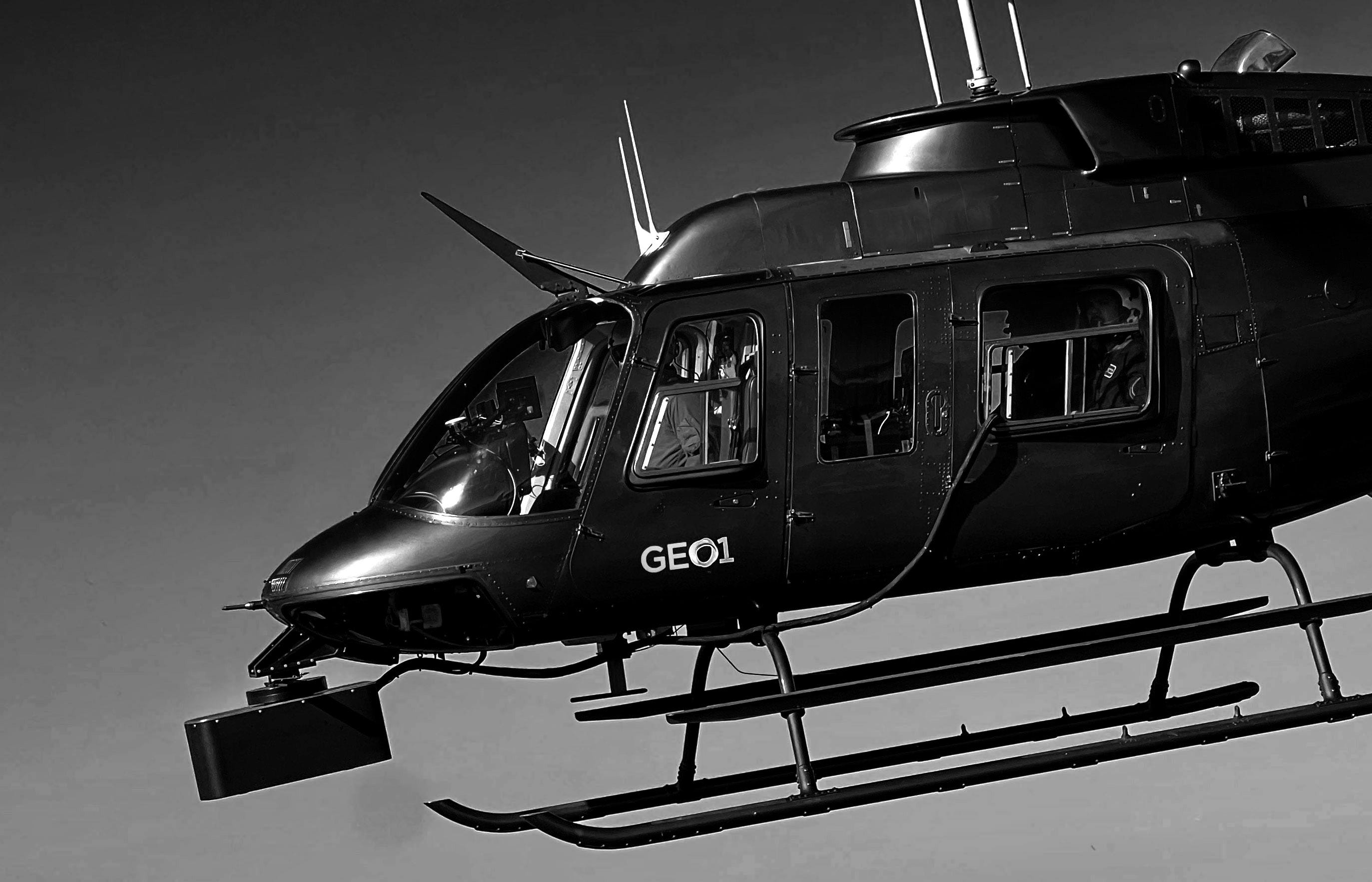
Bell 206L4 Long Ranger with lidar sensor flown by my GEO1 geospatial company.
Then there are the aerials — thousands of frames shot from helicopters over cities, coastlines, industrial sites, and surreal landscapes. The perspective literally changed. I was seeing the world from above, capturing scale and pattern and context that ground-level photography never could, and using lidar technology to see the unseen. These represent my third but not final act, building Aerial Filmworks and GEO1, the geospatial offspring, and eventually selling to NV5 Geospatial.
The Archaeology Metaphor
I keep thinking of this process as archaeology because it’s not just about the images themselves. It’s about rediscovering both content and context, remembering clients and campaigns, re-feeling emotions long forgotten, seeing the evolution of my technical approach, and understanding which creative choices led where.
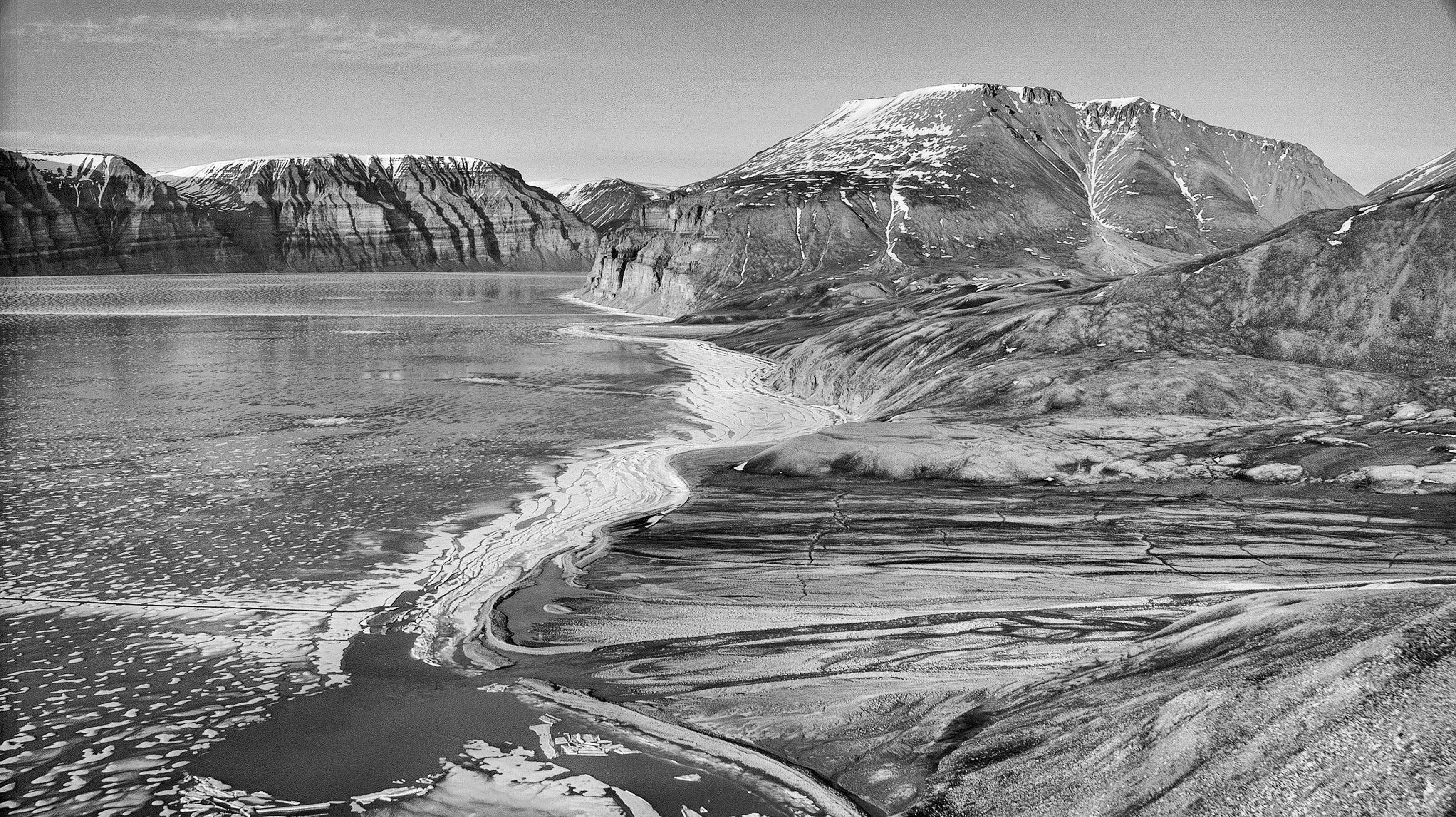
Nunavut. Above the Arctic Circle. Video frame from National Geographic’s “The Last Ice” Emmy award-winning film. July 2015.
Some negatives are damaged — humidity, time, careless storage. Some are smitten with a thousand dust specks, victims of my lack of technical knowledge or haste to reveal the latest image. Others are pristine. Some I remember shooting. Many are lost to the ether of my memory. Some I’m proud of and others are downright embarrassing. All of them tell me something about who I was at that moment, what I valued, what I was trying to accomplish.
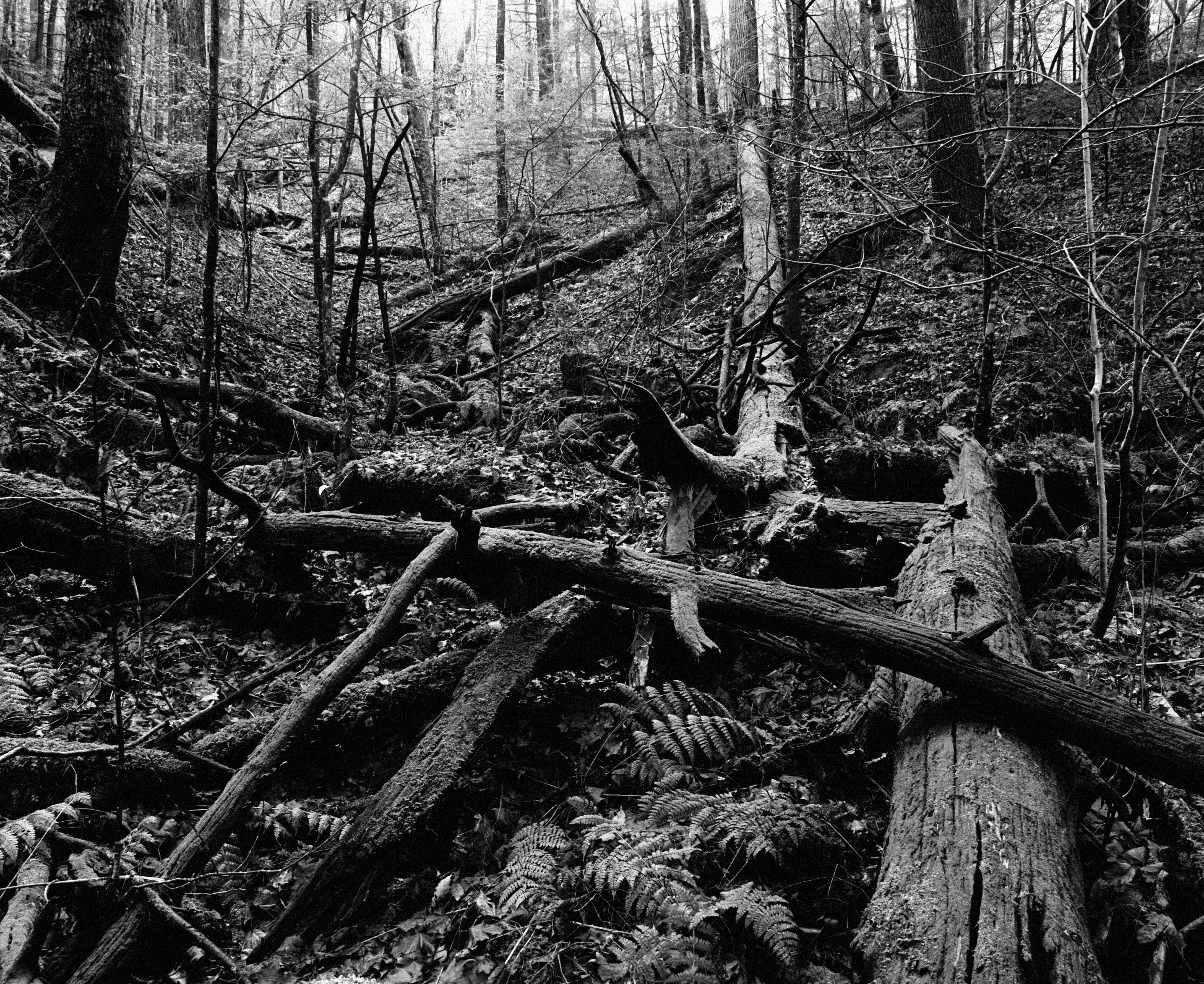
Landscape in Joyce Kilmer National Forest, North Carolina. Circa 1980.
There are also unexpected treasures: test shots that turned out better than the final selects, tons of Polaroids, personal projects I abandoned, experiments with technique that never went anywhere but show me thinking through problems.
What’s Coming
I want to share this journey with you. I’ll pull out images, share their stories for better or worse, and explore what they reveal about the craft and business of imaging across five decades. Some posts will be about technique — how we solved problems before Photoshop, before autofocus, before digital. Some will be about business — how stock photography worked when you shipped physical catalogs, how to build and sell a company, what it takes to reinvent yourself multiple times in one career, transitioning through both technological and business change.
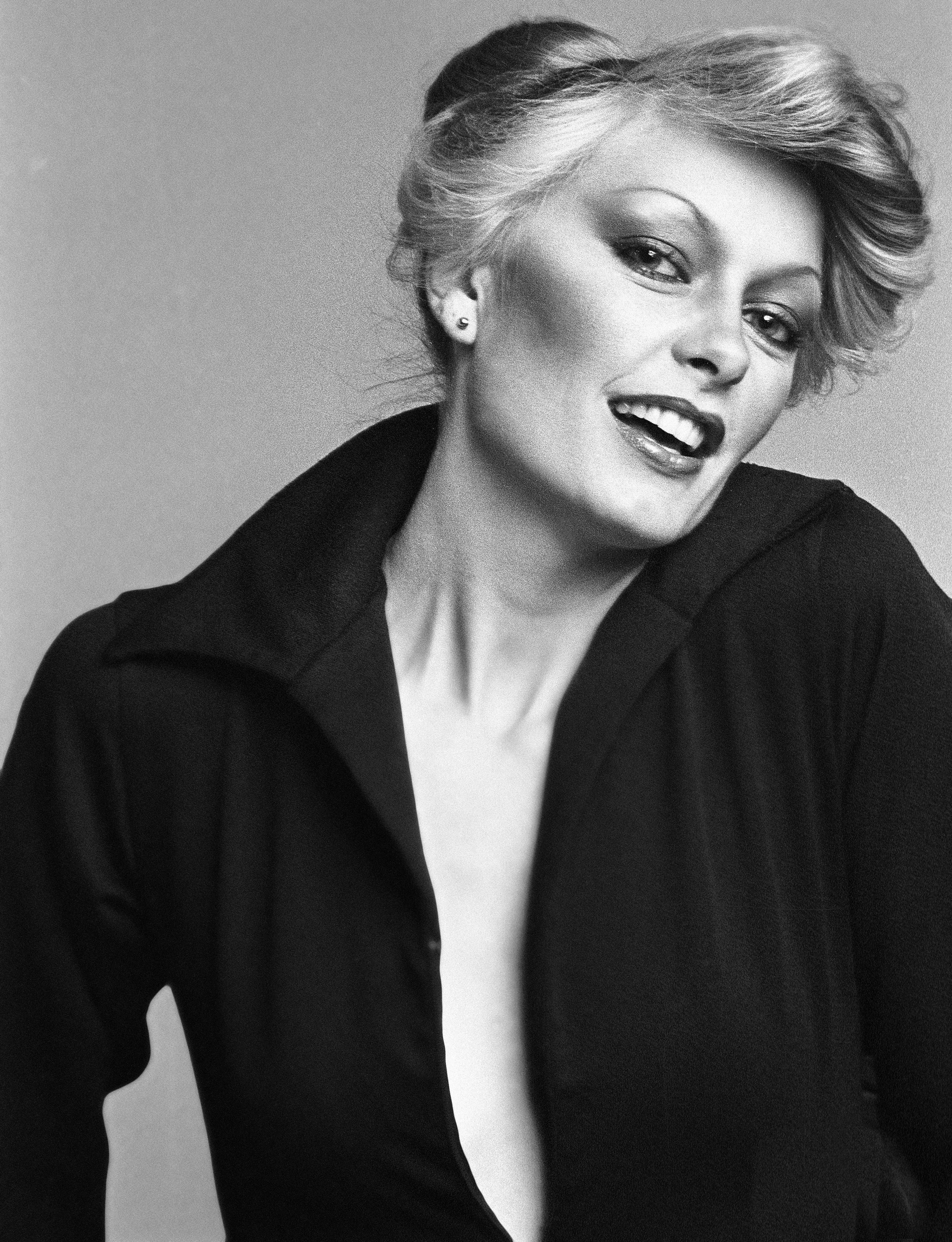
One of my early fashion shoots, while learning that lighting is everything. Circa 1981.
Some will just be interesting stories. I’ve photographed a president and prisoners, CEOs and factory workers, beautiful men and women, a few celebrities, pristine coastlines and environmental disasters. I’ve partied with thousands of my friends in tuxedos under the guise of corporate marketing, and conspired with cowboys and rodeo clowns at barn dances in Colorado. I’ve flown over 5,000 hours in helicopters — some of which probably shouldn’t have been flying. I’ve negotiated deals that changed my life. I’ve watched entire business models collapse and new ones emerge.
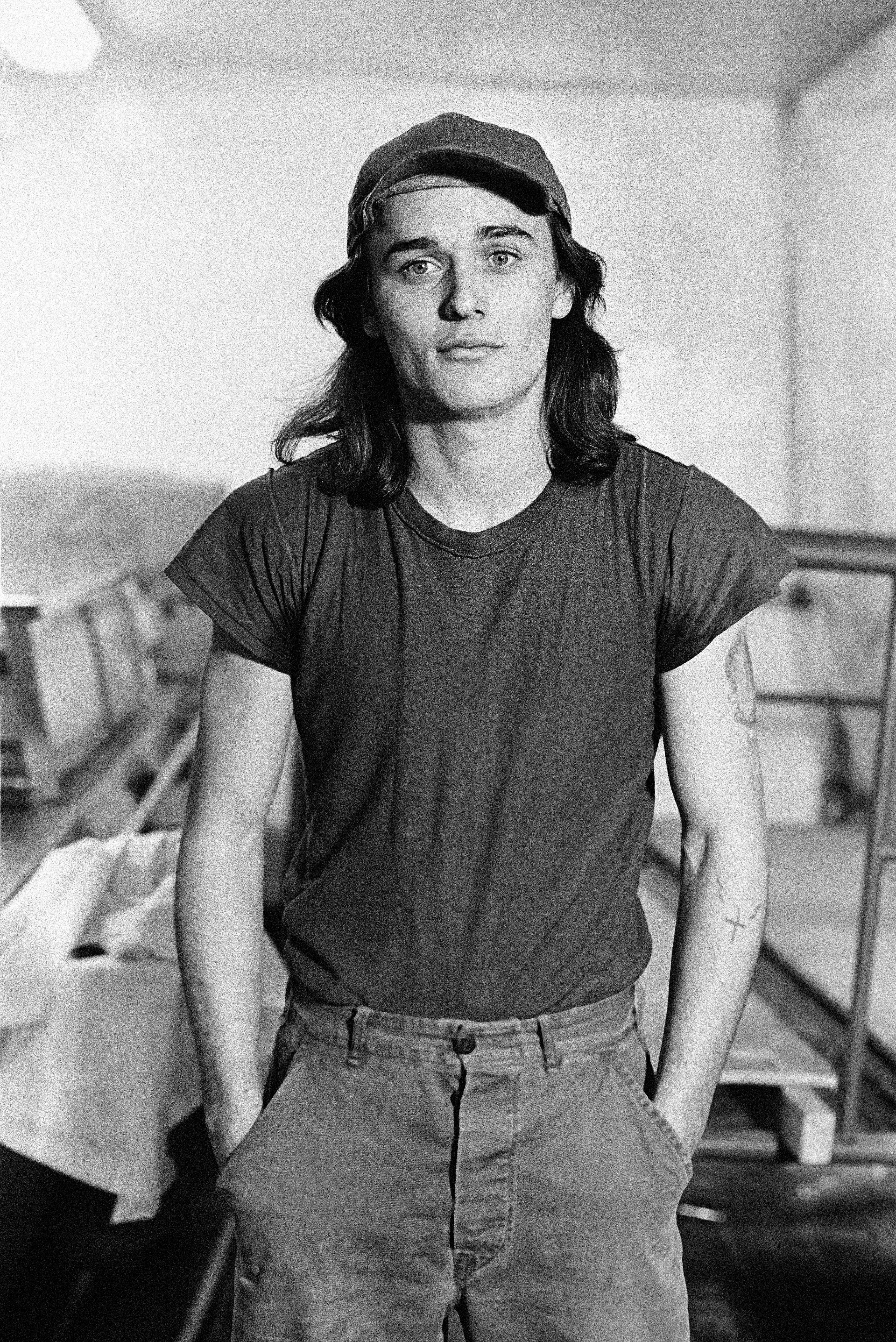
Prisoner. Mecklenburg County, North Carolina. December 1976.
I don’t know exactly where this excavation will lead, but I’m committed to documenting what I find. If you’ve been in photography for any length of time, if you’re interested in the business side of creative work, interested in content, or if you just like seeing how images and industries evolve, I think you’ll find something valuable here.
Thanks for joining me on this journey, as I dig down through 50 years of creative evolution, emotional challenges, and business transitions.


Comments