No, Ray. Not Today.

Updated: Sep 12
A bird strike, a billionaire, and the death curve over Cocos Island
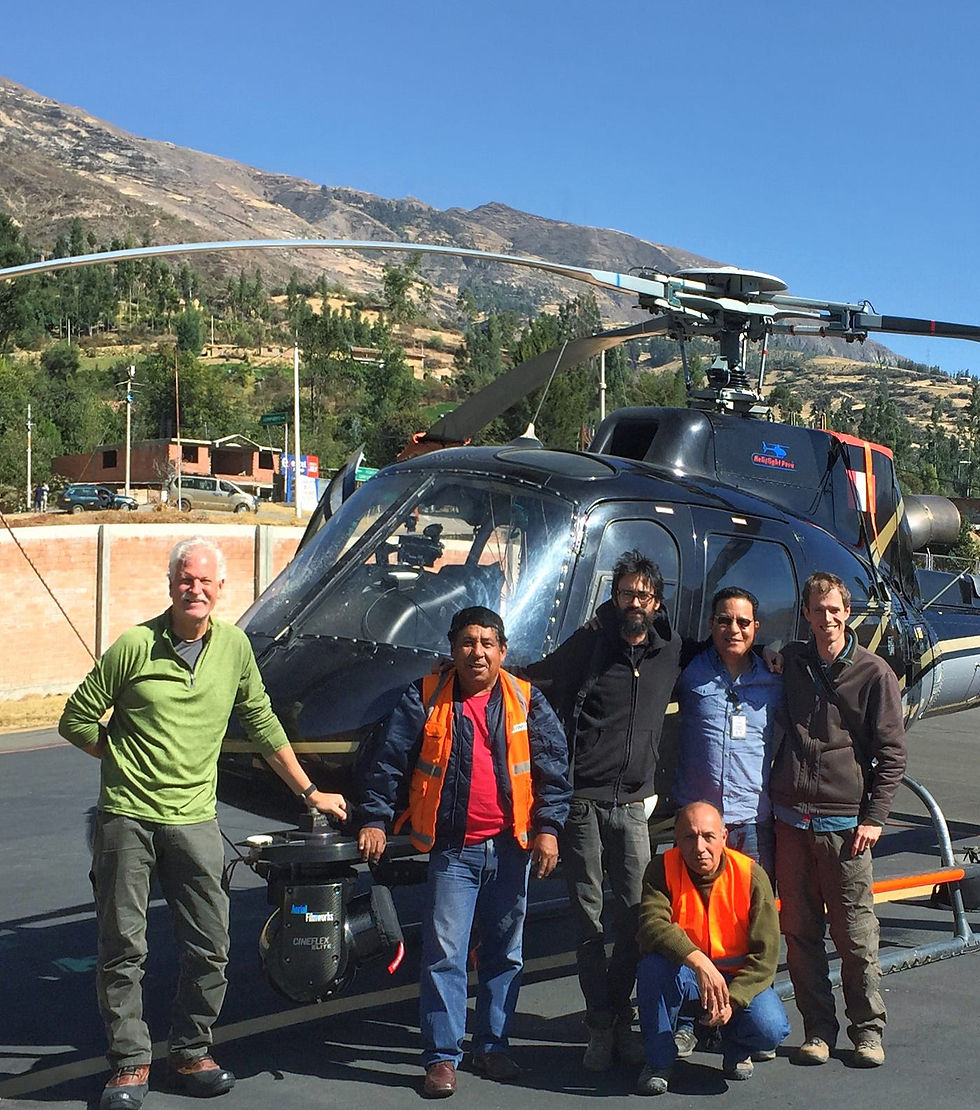
As the damp sweet air of dusk set upon us, the local crew transferred equipment cases containing the $500,000 gyro-stabilized Cineflex camera system from the van to a ship tender.
I was filming in the Cocos Islands of Costa Rica for Blue Planet II for BBC Earth. The Cocos are an ancient volcanic seamount located 350 miles west of the Costa Rica mainland. The only way to perform aerial filming was to have a ship transport the helicopter to the islands. I had left Los Angeles early that morning on a flight to San Juan, and then a ride in a van with 10 cases of gear to a small harbor on the west coast of Costa Rica. The journey would be planes, vans, boats, and bigger boats to take us to the Cocos.
Strapped down on the aft deck was a brand new Airbus AS350-B3 helicopter, one of the most powerful single engine helicopters in the world. I enjoyed a quick dinner with the crew and settled into my berth as the ship lumbered west towards the submerged volcano, once rumored to be the secret tropical location where an estimated billion dollars worth of treasures are hidden throughout the island.
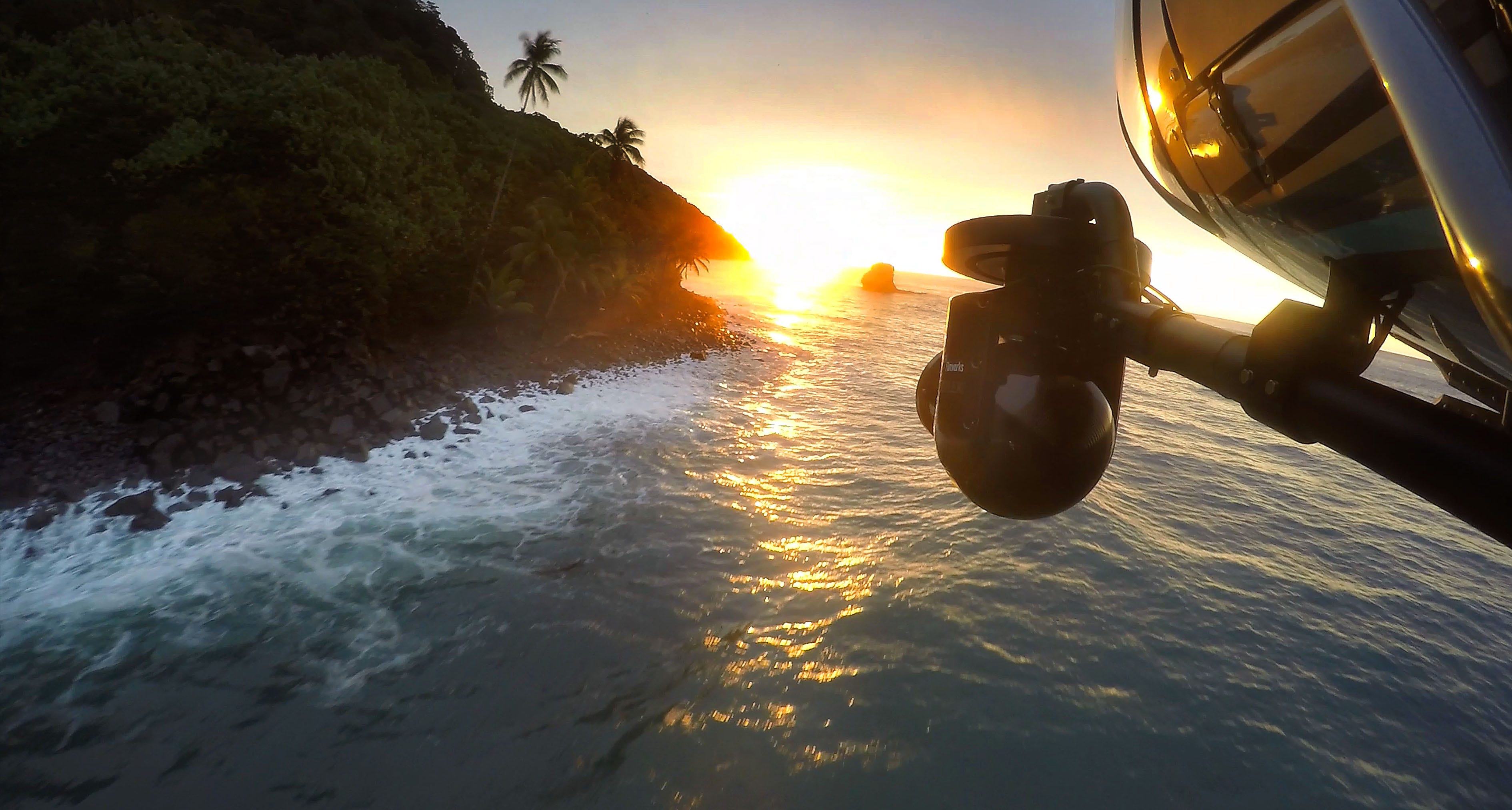
When you are sleeping on a moving ship, the motion eventually rocks you to sleep if you don’t barf first. The clues for an arrival or departure are in the sound and the vibration of the strong diesel engines propelling us through the sea.
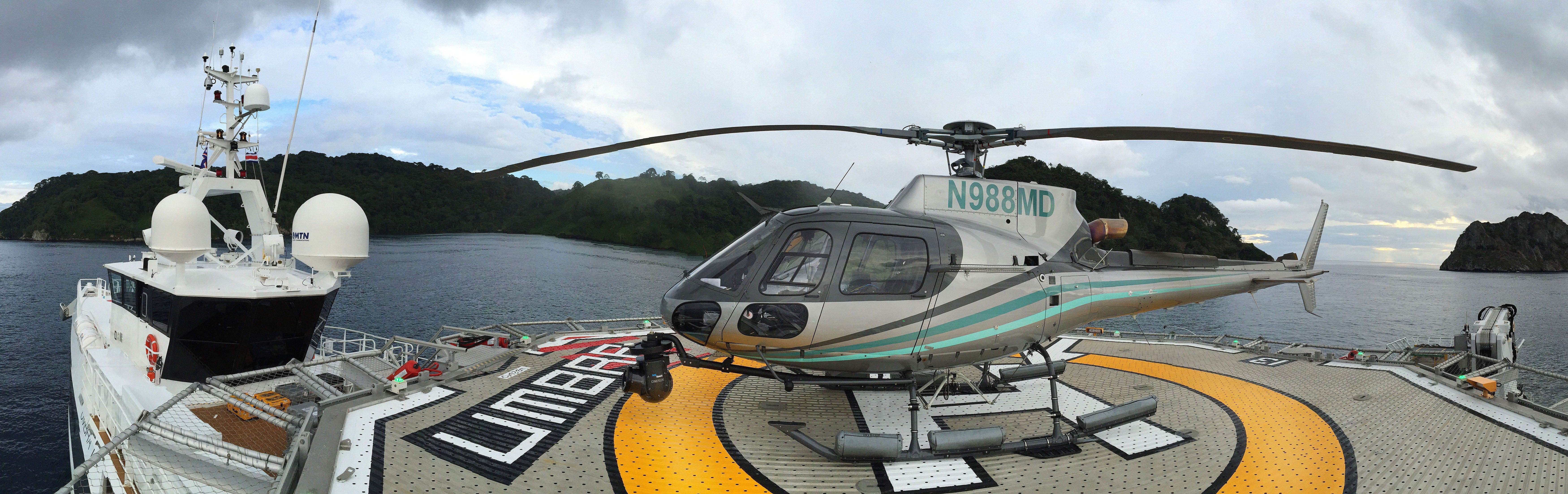
The pilot, film director and I enjoyed two days of exploring the islands, setting up scene after scene to document this incredible location for the BBC documentary. There are 400 species of birds, mysterious waterfalls, and we expected to see an errant dinosaur greeting us in the secluded jungles. The birds were especially curious about our flying machine, having likely never experienced another flying creature quite so large and noisy.
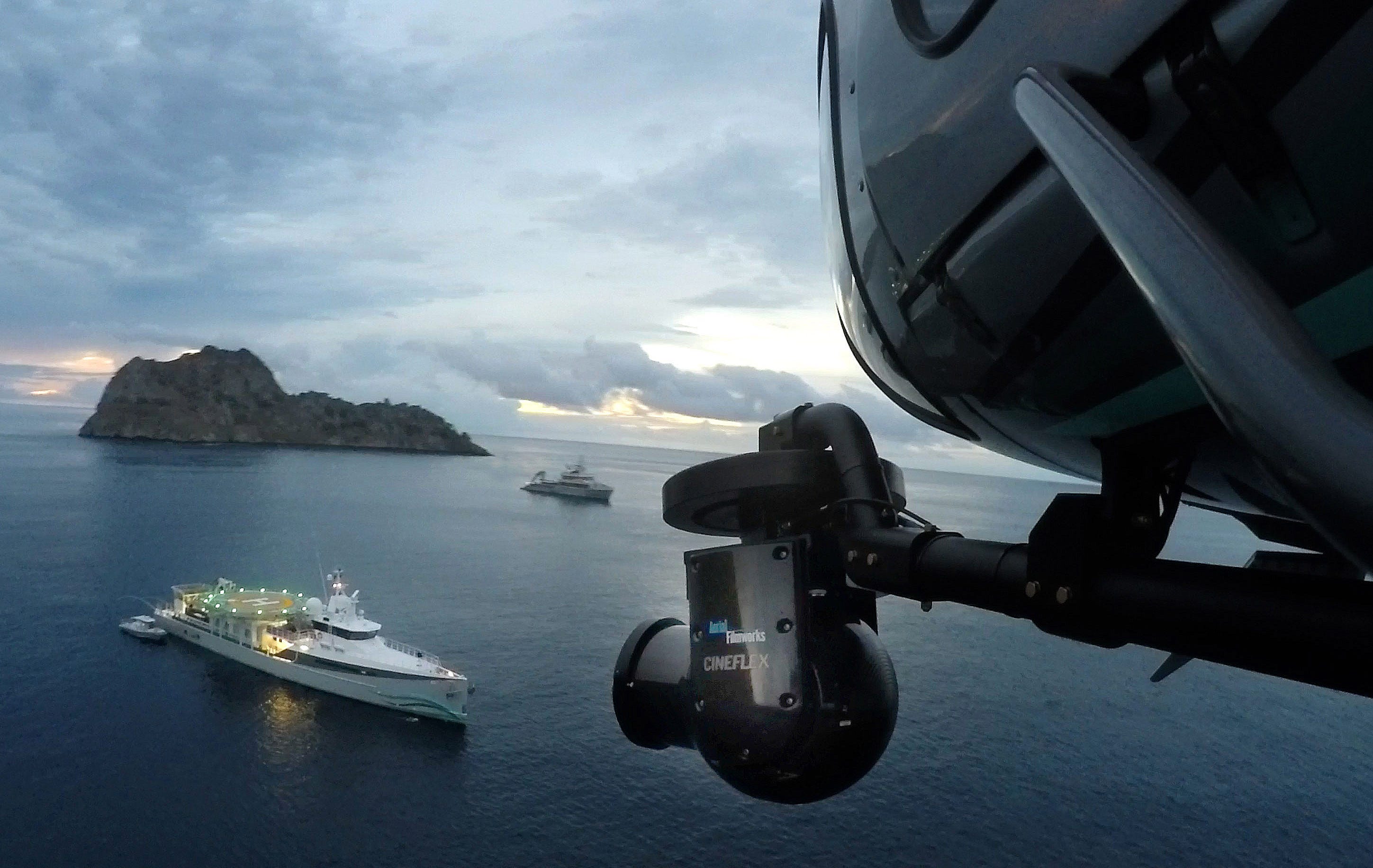
The generous and visionary owner of the yacht and sponsor of the OceanX and our filming was Ray Dalio. Mr Dalio, one of the wealthiest, most analytically powerful men on earth — a billionaire who built a career on predicting risk, modeling outcomes, controlling variables— is passionate about protecting the marine environment.
On the final flight of this extraordinary adventure, Ray climbed in next to me. We enjoyed the flight together, with Ray alternating between looking out of the window, asking a few technical questions, and watching my video monitor, me zooming into hidden waterfalls and flocks of birds.
Helicopters carry about 2 hours of Jet A fuel before needing to land and refuel. After our successful filming mission, we approached the ship, the helicopter slowing to a crawl, the blades beating the air into submission, preparing for landing as the pilot strategized the right moment to land on the ship’s helideck, rolling with the motion of the ocean.
I looked down to see the ocean about 70-feet below me. In helicopter aviation terms, this is the time of flight when you are inside the “death curve” where if anything goes wrong, engine failure, transmission failure, the likely outcome is less than desirable. My hand was already on the door handle, not from panic, but from habit.
Landings and take-offs is the time when the pilot and crew practice what is known as a “sterile cockpit” where discussion is strictly limited to activity related to aviation functions. No small talk, only answer questions or provide feedback.
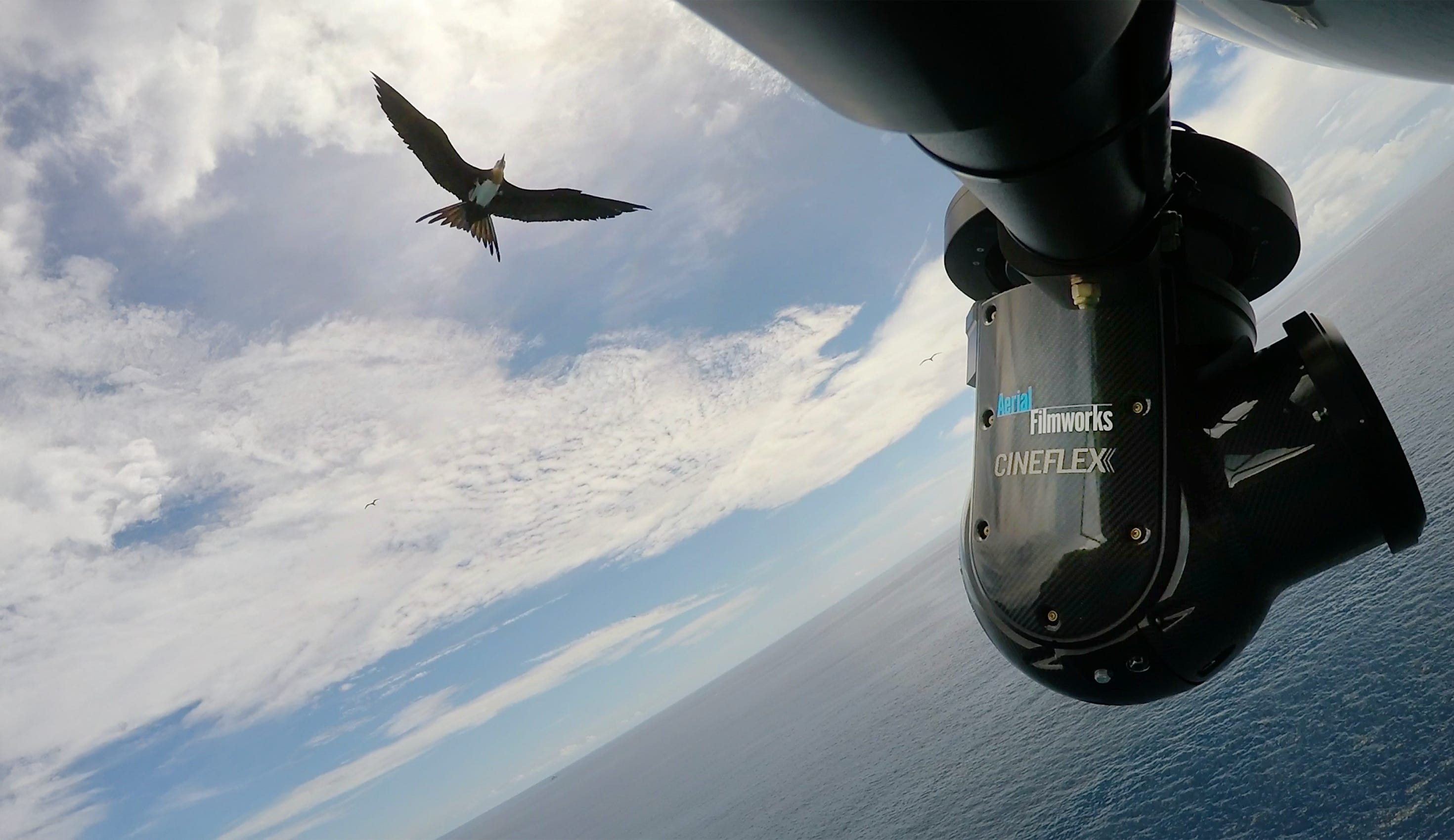
Out of nowhere, a large 30 lb bird approached us, flaring its broad wingspan as if to stop, and then impacted the spinning rotor blades holding us aloft in our final approach. The dull thud violently jostled the helicopter as avian guts and blood exploded across the windshield.
Ray Dalio looked at me with wide terrified eyes and asked “Are we going to die?”
I replied, “No Ray, not today”, as we landed softly on the aft deck.


Comments